 Simple Paint Travel
Why Hunza Valley tops every Pakistan travel list
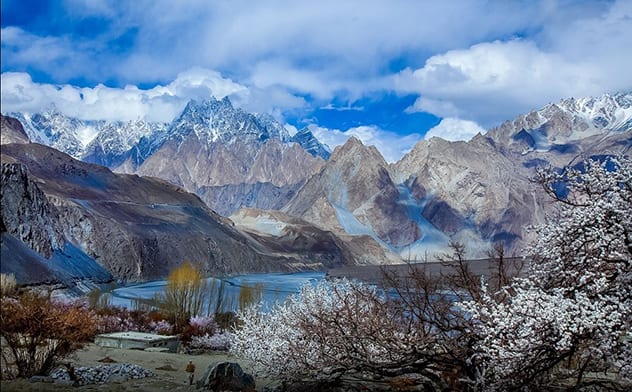
There are higher mountains in Pakistan and wilder valleys, but nowhere puts it all together like Hunza. Within a single day you can walk through a 700-year-old fort in the morning, stand beside a turquoise lake born from a landslide at noon, cross one of the world's scariest suspension bridges in the afternoon, and watch a 7,788-metre giant turn gold at sunset. Add to that the things no photograph captures: some of the most welcoming people in Pakistan, a literacy rate the valley is quietly proud of, orchards that drip with apricots, cherries and apples, and air so clean it feels like a different element. Hunza also sits at a crossroads of history — the old Silk Road passed this way, caravans crossed at Khunjerab, and the valley's mirs (rulers) taxed, traded with and occasionally robbed the traffic for centuries. That layered past is why a Hunza trip never feels like a single-attraction stop. It feels like a small country of its own, and in many ways, for most of its history, it was.
Hunza at a glance: where it is and how it is laid out
Hunza lies in the far north of Pakistan, in Gilgit-Baltistan, where the Karakoram range squeezes the Hunza River into a deep green gorge. The valley is usually described in three parts. Lower Hunza, around Ganish and the river flats, is the historic entry. Central Hunza is the heart: Karimabad, the former capital of the Hunza state, stacked on a hillside beneath Ultar Sar, with Altit village just below it. Upper Hunza — called Gojal — begins beyond the Attabad tunnels and holds Gulmit, Passu, Sost and the road to the Khunjerab Pass and China. Most visitors base themselves in Karimabad for central Hunza, then day-trip or move up to Gojal. Altitudes are kind by Karakoram standards: Karimabad sits around 2,400 metres, high enough for crisp air and huge views, low enough that most people feel fine after a day of taking it easy. Keep this layout in mind and every direction in this guide — and every signpost on the Karakoram Highway — will make sense.
How to reach Hunza: flights, the Karakoram Highway and the Skardu road
There are three realistic ways to reach Hunza. The classic route is the Karakoram Highway (KKH) from Islamabad: roughly 600 kilometres of one of the great road journeys on Earth, through Abbottabad, Besham, Chilas and Gilgit, before the highway bends along the Hunza River into Karimabad. Driven in one push it takes the better part of a day and a night — most sensible travellers break it at Besham or Chilas, or fly part of the way. The second option is flying: Islamabad to Gilgit flights, when the weather allows, take about an hour and save a full day of road, leaving a two-to-three-hour drive up the KKH to Hunza. The third route is the one we filmed: come overland from Skardu, about 286 kilometres along the Indus and then the KKH — a long, spectacular day that pairs perfectly with a Deosai visit and forms Days 3 and 4 of our 7-day northern Pakistan itinerary. Whichever route you choose, build in a buffer day. Mountain weather cancels flights and closes roads, and the traveller who planned for it is the one still smiling.
The best time to visit Hunza, season by season
Ask ten travellers for the best time to visit Hunza and you will get four answers — because Hunza has four distinct seasons and each one is somebody's favourite. Spring (late March to April) is blossom season: apricot, cherry, apple and almond trees foam pink and white across the terraces, the peaks are still deep in snow, and the valley feels freshly washed. Summer (May to August) is peak season — green terraces, long days, every hotel and café open, cherries in June and apricots in July, and the road to Khunjerab Pass clear. Autumn (late September to October) is the photographer's season, when poplars and apricot trees turn the whole valley gold and rust-red under a hard blue sky; many locals will tell you this is the real best time to visit Hunza. Winter (November to February) is beautiful, empty and bitterly cold — snow on the terraces, wood stoves in every home, many hotels closed, and the valley returned to its own people. Our honest advice: first-timers should come in May–June or late September–October, when the weather, the colour and the crowds balance best.
Karimabad and Baltit Fort: the heart of Hunza
Karimabad is where most Hunza trips live. The town climbs a hillside in lanes too narrow for cars, all stone, walnut wood and apricot trees, and at the top sits Baltit Fort — the valley's crown. Built in a Tibetan-influenced style some 700 years ago and home to the Mirs of Hunza for centuries, the fort is now a superb museum: duck through its low doorways, climb to the rooftop terrace, and the whole valley — Rakaposhi in front, Ultar behind, the river below — arranges itself around you. Walk down through the old town afterwards: jewellers, walnut-wood carvers, embroiderers selling the famous Hunza caps and shawls, and cafés pouring walnut cake and apricot juice. Give Karimabad at least a full day. It is the mistake of rushed itineraries to treat it as a photo stop, when it is really the valley's living room — the place to slow down, learn names, and let Hunza stop being a view and start being a place.
Altit Fort and the oldest village in the valley
Ten minutes from Karimabad, Altit is older, quieter and in some ways more magical. Altit Fort is believed to be around 900 years old — older than Baltit — and it stands on a cliff edge above the Hunza River with a drop that makes your knees honest. The fort has been beautifully restored, and its royal garden, full of apricot trees, is one of the most peaceful spots in the valley. The village below the fort is the real treasure: a maze of ancient stone lanes, a centuries-old mosque, walnut trees older than the fort itself, and doorways so low you bow to the past every time you enter. Local guides from the village lead the walking tours, and the money stays in the community. Pair Altit with a sunset trip up to Duikar — the Eagle's Nest viewpoint above Karimabad — where on a clear evening you can count seven peaks over 7,000 metres catching the last light, Rakaposhi first among them. If you only have two days in Hunza, spend them between these two forts and that sunset.
Attabad Lake: the lake that was born in a disaster
In January 2010, a landslide of almost unimaginable size slid into the Hunza River near Attabad village, damming the river and drowning kilometres of the Karakoram Highway, along with villages, orchards and fields. The lake that formed behind the dam — Attabad Lake — is now one of the most photographed places in Pakistan, and its colour explains why: a milky, electric turquoise so intense it looks painted. (We can confirm: even our paint brush struggled.) Today boats carry visitors across the water, lakeside cafés and resorts line the shore near Shishkat, and tunnels blasted through the landslide debris carry the rebuilt highway. But travel here thoughtfully. The lake is beautiful because of a tragedy that displaced thousands, and local people will tell you both stories — the loss, and the stubborn rebuilding — if you ask with respect. The best light is morning, when the water is glass and the colour is at its most unreal. Combine Attabad with a drive further into Gojal: the lake is the gateway, not the destination.
Gojal and Upper Hunza: Passu Cones, Hussaini Bridge and Gulmit
Beyond the Attabad tunnels, Upper Hunza — Gojal — changes character: wider, wilder, and watched over by the most elegant mountains in the Karakoram. The Passu Cones (also called Tupopdan, 'sun-drenched mountain') rise from the river like a row of cathedral spires; you will photograph them twenty times and still stop for the twenty-first. Below them, the Hussaini Suspension Bridge stretches its planks and cables across the Hunza River — regularly listed among the most dangerous bridges in the world, and crossed daily, calmly, by local schoolchildren, which recalibrates your courage. Gulmit, the old Gojal capital, offers a polo ground, a museum of Wakhi culture, and lanes of poplars. Further north lie the Borith Lake wetlands, the trailheads for the Passu and Batura glaciers — Batura is one of the longest glaciers outside the polar regions — and Sost, the last town before the border. Gojal deserves its own night if you can spare it: sleep in Passu or Gulmit, and wake up inside the postcard instead of driving into it.
Khunjerab Pass: standing on the roof of the border
From Sost, the Karakoram Highway climbs through Khunjerab National Park to the Khunjerab Pass — at about 4,693 metres, the highest paved international border crossing in the world, where Pakistan meets China beneath a monumental gateway. The drive is the destination: the road threads a high, stark valley of scree slopes and snowfields where, with luck, you may spot marmots, ibex, or even the park's elusive Marco Polo sheep. At the top, the air is thin, the wind is serious, and the photo beside the border monument is practically a Pakistani rite of passage. Practical notes: the pass is open seasonally, roughly May to November depending on snow; carry warm layers even in July; move slowly at altitude and drink water; and remember you cannot cross into China without the full visa and border formalities arranged in advance — for most travellers, the pass itself is the summit of the day. A Khunjerab day trip from Karimabad is long but doable; from Passu or Sost it is comfortable. Either way, it completes the Hunza story: the valley was always a doorway between worlds, and at Khunjerab you stand in the doorway.
Where to stay in Hunza: Karimabad, Altit, Gulmit and Passu
Hunza has a place to sleep for every budget, and the rule is simple: pay for the view, not the marble. In Karimabad, hotels and guesthouses stack up the hillside from the bazaar to below Baltit Fort — the higher the lane, the bigger the Rakaposhi view from your window. Family-run guesthouses here are the valley's sweet spot: home-cooked food, apricot orchards for gardens, and owners who will plan your whole trip over breakfast. Altit offers quieter stays inside the old village atmosphere, a short walk from the fort and garden. In Gojal, Gulmit and Passu have grown a fine set of small hotels and eco-lodges facing the Cones, perfect for the Khunjerab run and glacier walks. In peak season (June–August and the autumn colour weeks), book ahead — the good rooms with the good views go first. In winter, confirm heating before you book anything. And wherever you stay, ask for a room facing Rakaposhi: waking to that mountain filling your window is the single best upgrade in Pakistani travel, and it is often free.
What to eat in Hunza: apricots, walnut cake and mountain food
Hunza's food is its landscape, served. The valley runs on apricots — fresh in July, dried all year, as juice, jam, oil and the kernels locals crack like sweets. Cherries flood the bazaars in June; mulberries, apples and walnuts follow their seasons. Do not leave without trying walnut cake in a Karimabad café — dense, dark and usually served with local tea — and look for traditional dishes like chapshuro (a meat-filled bread, Hunza's answer to a pasty), diram fitti (a sweet wheat-and-apricot-oil breakfast bread), and hearty soups built for mountain winters. Karimabad's main street has the widest choice, from cafés with Rakaposhi-view terraces to small restaurants serving Pakistani staples alongside local dishes; Gojal adds Wakhi flavours of its own. Vegetarians eat unusually well here — the valley's cooking leans on beans, greens, dairy and orchard fruit. One warning: the dried apricots you buy 'just to try' will not survive the drive to Gilgit. Buy twice what you think you need. Everyone does, eventually.
What a Hunza trip costs: honest budget notes
Costs in Hunza swing with season and style, so plan by tiers — the same three tiers we break down in our northern Pakistan cost video. The big fixed cost is getting there: a Gilgit flight or two long road days, plus private transport on the KKH, which most visitors hire by the day with a driver. In the valley itself, family guesthouses and local restaurants keep daily costs gentle, mid-range hotels with Rakaposhi views cost more but stay fair by international standards, and the handful of premium properties charge for location and polish. Food is a bargain — you will eat like royalty on café money — and the forts, viewpoints and villages charge little or nothing beyond guide tips. Where budgets leak is transport: private jeeps and hired cars for Gojal, Khunjerab and glacier trailheads add up, so group up with fellow travellers where you can. For a full northern trip including Skardu, Deosai and Fairy Meadows, our 7-day route runs roughly Rs 55–65k per person on a shared budget style, Rs 120–140k mid-range, and Rs 250–300k travelling in full comfort — Hunza's share of that is usually the best-value part of the whole loop.
Mistakes to avoid on your Hunza trip
Most Hunza regrets are scheduling regrets. The first: rushing. Travellers who give Hunza a single night between Gilgit and Khunjerab leave with photographs and no memories — give the valley three nights minimum, four if you include Gojal properly. The second: no buffer day. KKH landslides and cancelled Gilgit flights are facts of mountain life; a spare day converts disaster into an extra sunset. The third: underestimating the sun and the altitude of side trips — Khunjerab at 4,693 metres is not the place to discover you needed layers, water and a slow pace. The fourth: skipping the local guides. The fort tours, village walks and glacier hikes led by Hunza's own guides are richer, safer and put money where it belongs. The fifth: treating Hunza as only a viewpoint. Dress modestly in villages, ask before photographing people, and learn three words of Burushaski or Wakhi — 'shua' (good) opens more doors than any lens. Do these things and Hunza will do what it has done to travellers for a thousand years: slow you down, feed you well, and send you home planning to return.
A perfect 4-day Hunza plan, day by day
Here is the whole guide compressed into the trip we would take ourselves. Day 1 — Arrive and settle: reach Karimabad by road or via Gilgit, check into a guesthouse with a Rakaposhi view, and spend the golden hour doing nothing more ambitious than tea on a terrace while the valley introduces itself; walk the bazaar in the evening and eat your first walnut cake. Day 2 — The forts: Baltit Fort in the morning with a local guide, lunch in the old town, then Altit Fort and its royal garden in the soft afternoon light, finishing at the Eagle's Nest viewpoint above Duikar for the seven-peaks sunset. Day 3 — Gojal: drive through the Attabad tunnels to the lake for a morning boat, cross (or photograph, courage depending) the Hussaini Suspension Bridge, stand under the Passu Cones, and sleep in Passu or Gulmit so the mountains are the last and first thing you see. Day 4 — Khunjerab or the slow goodbye: either the full-day run to Khunjerab Pass and the China border, or a lazy final morning in Karimabad's orchards before the road to Gilgit or Skardu. Notice what this plan protects: unhurried mornings, one sunset that is an appointment, and no day that is only driving. Hunza punishes checklists and rewards presence — plan like a guest, not a collector, and the valley will give you more than any itinerary can list.